Reviews & Rants · High Five · Movies
Five Sequels That CompletelyChanged the Tone—and Got Better
By Peter David · August 1, 2026 · Cobra Kai Never Lies
Most sequels try to give you more of what worked the first time.
More action. More jokes. More villains. More money thrown at the screen.
These five movies did something completely different. They looked at what came before, changed the entire tone and somehow made the series better because of it.
Some shifted genres. Some changed how seriously they took themselves. Some barely felt like they belonged to the same franchise anymore. Usually, that kind of change is where a series starts to fall apart. Audiences show up expecting one thing, get something completely different and walk away wondering what the hell happened.
That isn’t what happened with these.
What should have been complete disasters turned into cinematic magic.
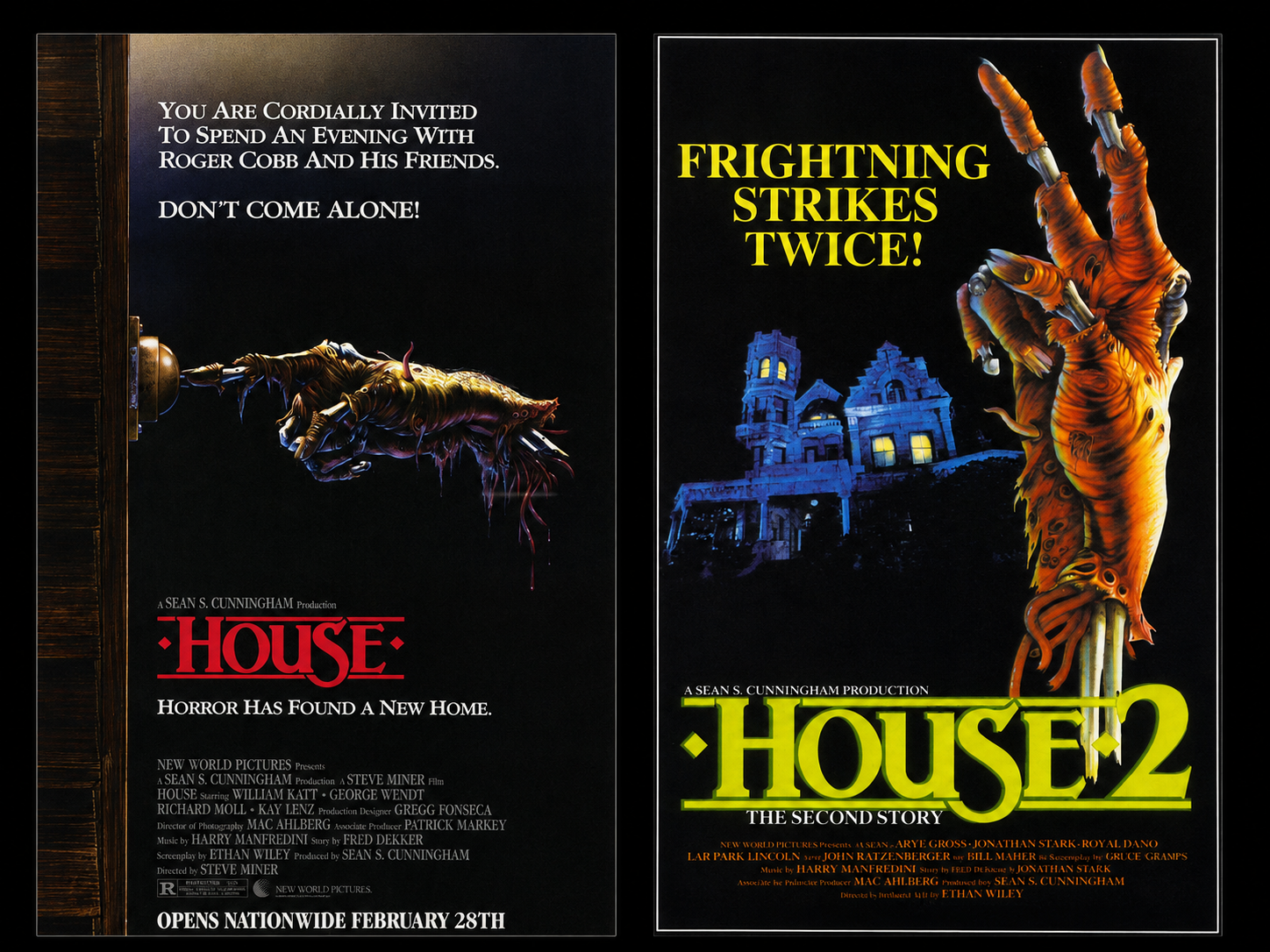
5. House to House II: The Second Story
The first House is already strange.
It mixes horror, comedy, grief and monsters, but there’s still a serious story underneath everything. Roger Cobb is dealing with the disappearance of his son, the end of his marriage and his experiences in Vietnam.
The movie gets weird, but it never completely forgets that sadness sitting underneath it. Even when monsters are jumping out of closets and George Wendt is wandering around next door, Roger’s story still has real weight behind it.
Then House II: The Second Story comes along and throws almost all of that out the window.
The sequel is less of a horror movie and more of a supernatural adventure. There’s a crystal skull, an undead cowboy, a prehistoric bird and a trip through different dimensions inside a house that apparently has no interest in following any known laws of reality.
The movie feels like someone mixed a haunted-house story with Indiana Jones, a Saturday morning cartoon and whatever else happened to be lying around the room.
It’s lighter, sillier and far less interested in actually scaring anybody. The monsters aren’t really nightmares anymore. They’re just part of the adventure.
Then, just like Norm Petersen dropped by the first House, Cliff “Fucking” Clavin shows up as an electrician who also seems completely prepared to fight monsters.
He walks into the movie, realizes the house is some kind of supernatural gateway and basically treats it like this happens on every other service call. He might be the only electrician in movie history who shows up with a sword in his toolbox.
The tonal change is enormous.
House II feels like it was made for a completely different audience than the first one, but that’s also why it works. It isn’t trying to repeat Roger Cobb’s story or recreate the same balance of sadness, horror and comedy.
It just wants to be weird and fun. It feels like a Saturday afternoon adventure movie that happens to include zombies, magical portals, dinosaurs and Cliff “Fucking” Clavin.
It shouldn’t work, but it absolutely does.
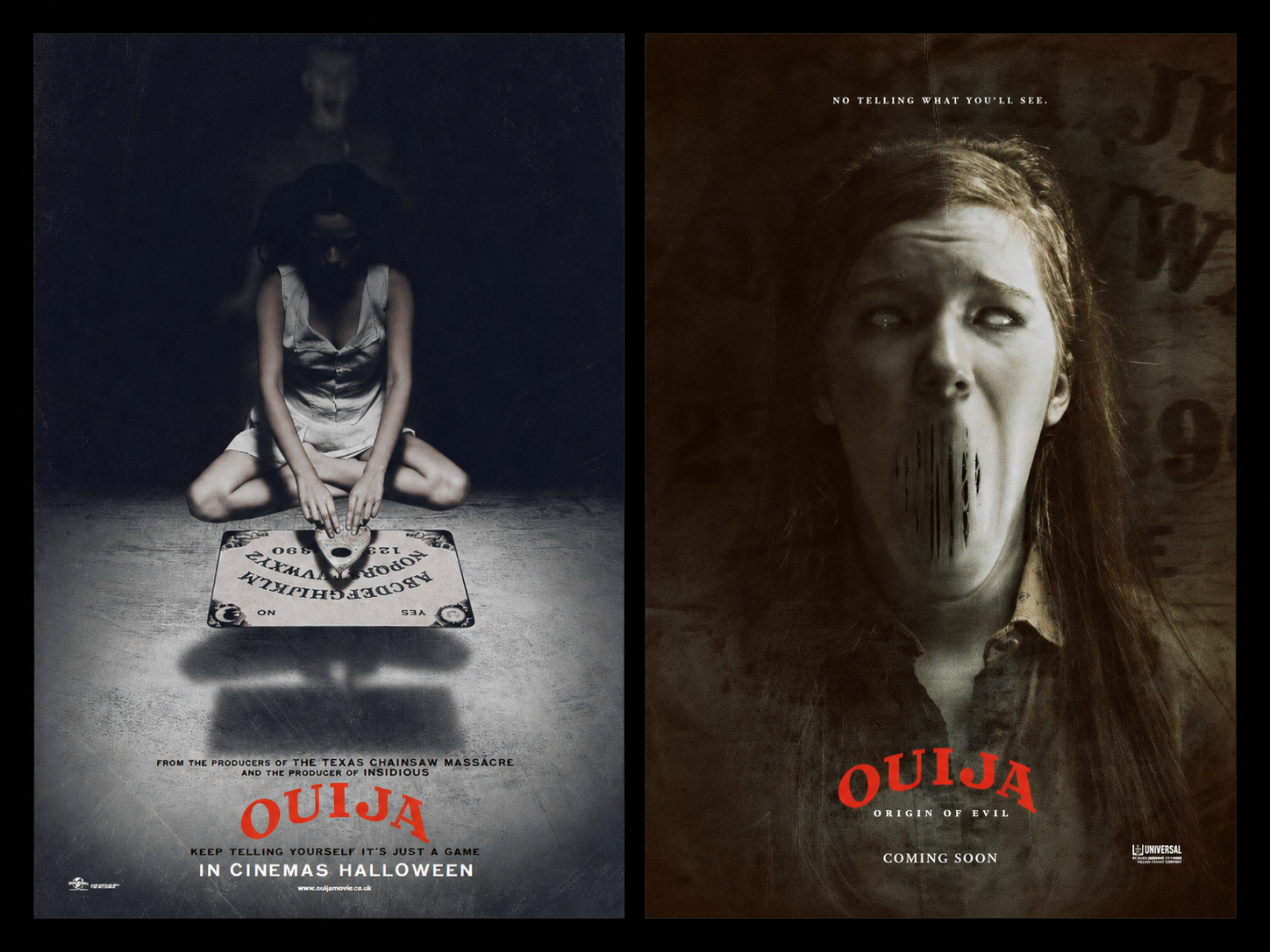
4. Ouija to Ouija: Origin of Evil
The first Ouija feels like exactly what it is.
A bad horror movie built around a board game.
It’s not the worst thing ever made, but it’s generic, forgettable and doesn’t give you much reason to care about anything happening on the screen. The characters make dumb decisions, the scares feel borrowed from better movies and the whole thing exists because somebody looked at a Ouija board and saw a franchise.
Then Mike Flanagan made Ouija: Origin of Evil.
Instead of copying the first movie, he set the story in the 1960s and turned it into a slow, creepy supernatural family drama.
The characters matter. The house feels lived in. The scares actually have weight behind them because the movie takes the time to make you care about the family before everything starts going wrong.
It also looks like an older horror movie. The opening logos, the cigarette burns and the camera work all help make it feel like something from another time instead of another cheap studio prequel.
The biggest difference is that the movie has patience. It doesn’t rush from one jump scare to another. It lets the tension grow, and when things finally start going bad, they feel much worse because of it.
It looks better, sounds better and feels like it was made by somebody who cared about more than keeping a brand name alive.
The weirdest part is that it’s still connected to Ouija.
That might be the biggest trick the movie pulls off. It takes something completely disposable and gives it an actual identity. You could almost forget it’s connected to the first movie at all, which is probably the nicest thing anyone could say about that connection.
It also holds a place in my heart because it was one of the first movies I took my wife to. Love you, Honey!
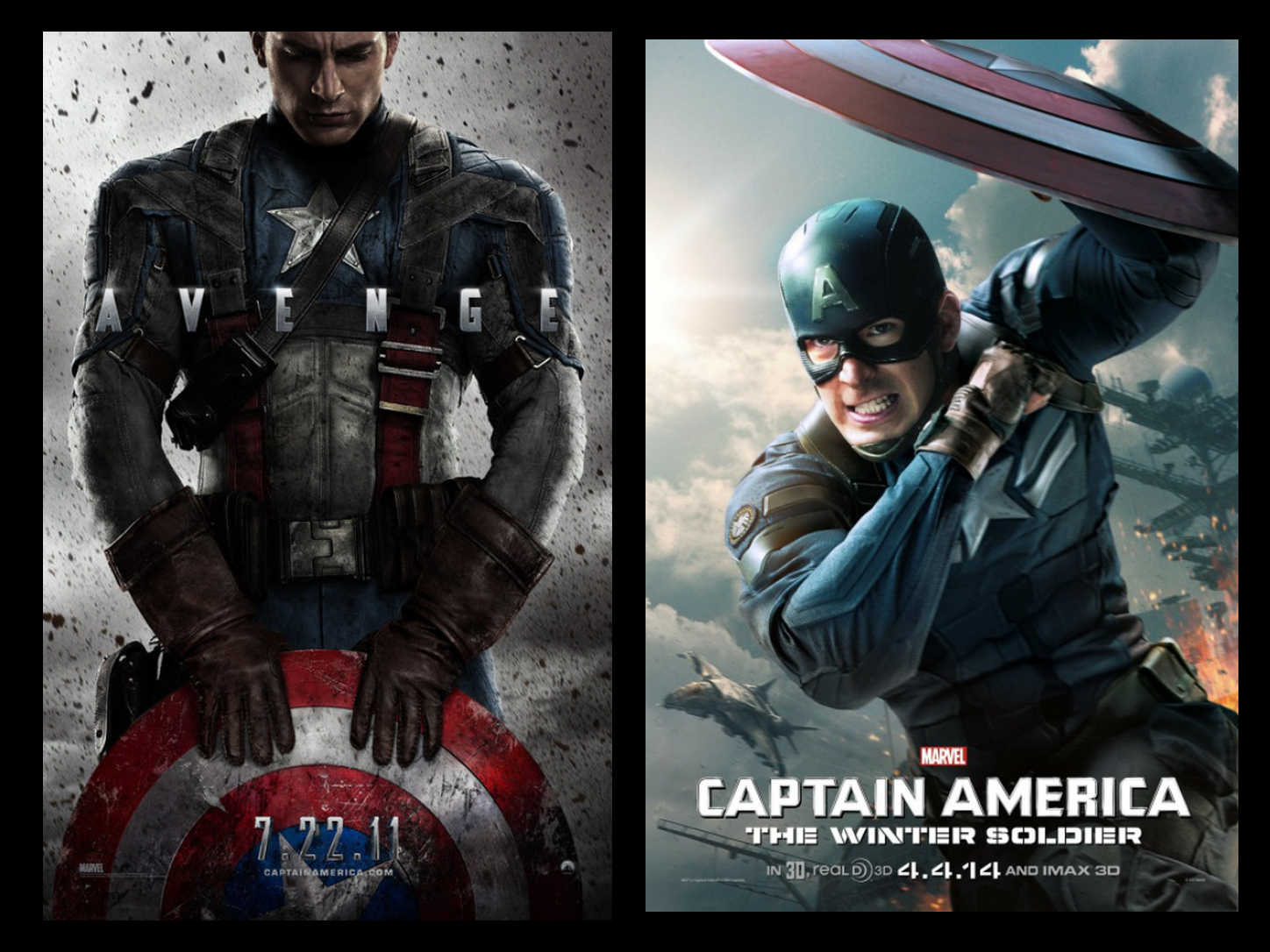
3. Captain America: The First Avenger to The Winter Soldier
Captain America: The First Avenger is an old-fashioned World War II adventure.
It’s bright, sincere and built around Steve Rogers being a genuinely good man. He wants to fight because he thinks it’s the right thing to do, not because he wants power or glory.
It’s an alright movie, but it feels very separate from most of what Marvel would eventually do with the character. The tone is lighter, the villains are broader and the whole thing feels like a throwback adventure, which of course it is.
But then The Winter Soldier turns Captain America into the lead of a political thriller.
Suddenly Steve isn’t fighting Nazis in the 1940s. He’s dealing with government surveillance, secret organizations and the realization that the people giving the orders might be the problem.
The world isn’t divided into obvious heroes and villains anymore. Steve is working for an organization he trusts, only to discover that trust has been used against him. HYDRA didn’t simply survive. It buried itself inside SHIELD and waited.
The action is harder. The fights feel more physical. Steve isn’t bouncing around fighting glowing space weapons. He’s getting into knife fights in the street and beating the hell out of people in elevators.
The story is also more serious. Steve feels less like a symbol and more like a man trying to figure out what that symbol is supposed to mean in the modern world, if anything.
He still believes in doing the right thing, but now he has to decide what that actually means when the government, SHIELD and everyone around him keeps telling him something different.
It also gave us one of the best versions of Black Widow and finally made Falcon feel somewhat important. He’s not... Then there’s Bucky, who gives Steve a personal reason to keep fighting even after everything around him has fallen apart.
The Winter Soldier didn’t just improve Captain America.
It completely changed how we looked at him and the franchise.
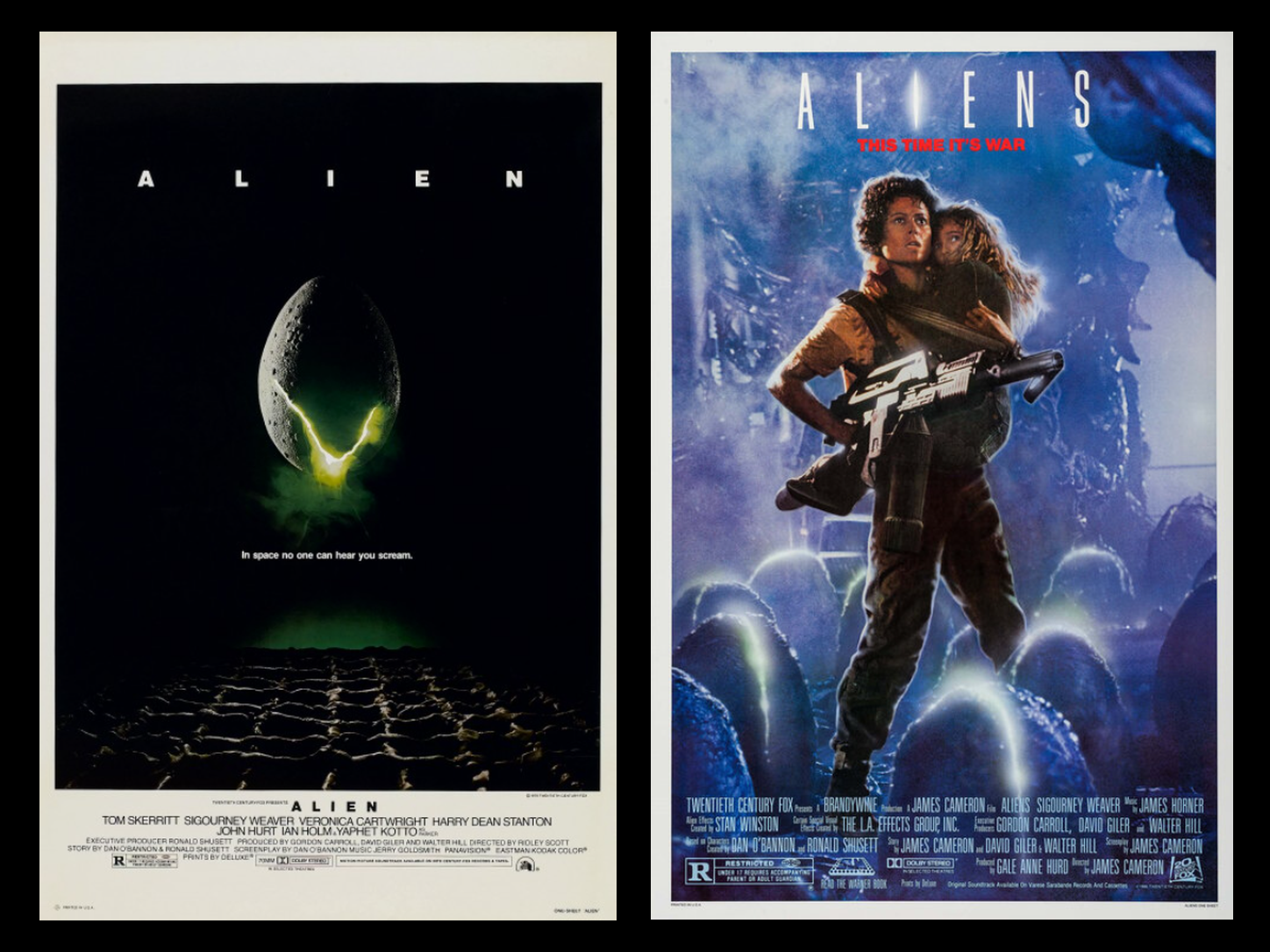
2. Alien to Aliens
Alien is basically a haunted-house movie in space.
It’s dark, slow and claustrophobic. The crew of the Nostromo is trapped with something they don’t understand, and most of the movie is built around the fear of where the creature might be hiding next.
There’s only one Xenomorph, but that’s more than enough. The creature moves through the ship like a ghost, picking people off one at a time while everyone else slowly realizes they have absolutely no idea how to stop it.
Then Aliens shows up and turns the whole thing into a full-blown military action movie.
Now there are Marines, machine guns, explosions and an entire colony crawling with Xenomorphs. Instead of one creature hiding in the shadows, there are dozens of them coming through the walls, ceilings and anywhere else they can fit.
Ripley also changes with the movie. She goes from being the survivor of the first film to becoming an action hero, but the movie never turns her into some unstoppable killing machine. She’s still afraid. She just refuses to let that fear control her.
Her relationship with Newt gives the movie something the original never had. Ripley isn’t only trying to survive anymore. She’s trying to protect someone, and that makes every decision she makes feel more personal.
That’s what makes the shift work.
Aliens is louder, faster and much bigger, but it still understands the fear at the center of the original. It doesn’t replace the horror. It builds an action movie around it.
James Cameron took a movie that was nearly perfect at what it did, changed almost everything about its approach and somehow made a sequel that stands right beside it.
I know plenty of people will always pick Alien, and I completely understand why.
But I’m taking Aliens. Paul Reiser for life, baby!
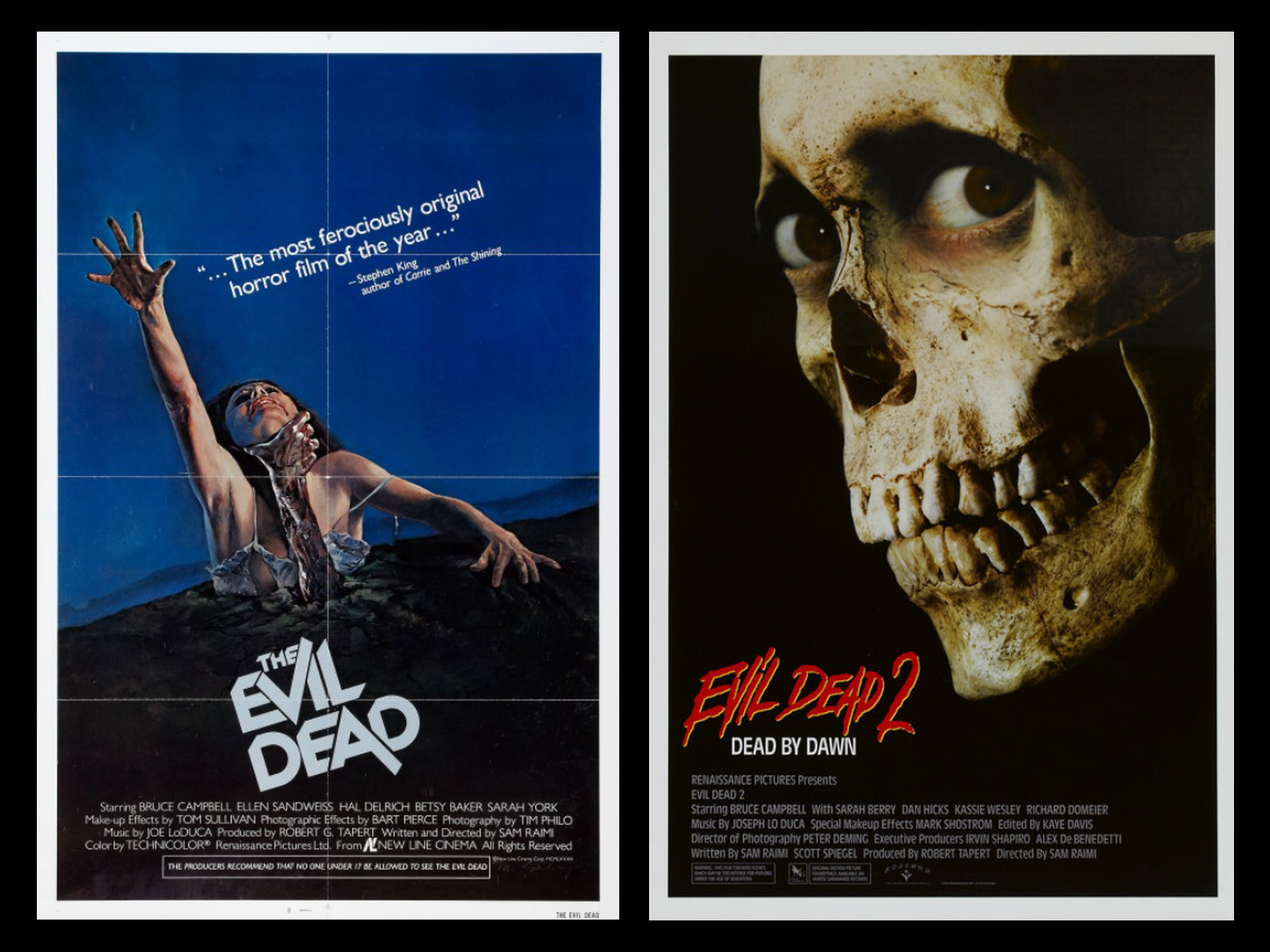
1. The Evil Dead to Evil Dead II
Hail to the King.
The first Evil Dead is raw, dirty and mean. It feels like something that probably shouldn’t exist, and in some countries it doesn’t. The movie is low-budget, nasty and committed to making that cabin feel like the worst, most evil place on Earth.
There’s some humor in it, but most of that humor comes from how completely insane the movie is. It’s still trying to scare you. It still wants the Deadites to feel dangerous, and Ash is nowhere close to being the chainsaw-handed hero we know him as today. He’s just a guy trying not to die in a cabin full of possessed people.
Then Sam Raimi came back for Evil Dead II and apparently decided horror alone didn’t cut it.
The sequel is still bloody and violent, but now it’s also a live-action cartoon. Ash fights his own hand, gets thrown around the room, screams his head off and slowly turns into the version of Bruce Campbell we all know now.
Everything is bigger, stranger and funnier. The camera moves like it’s possessed. The blood comes out by the gallon. Ash gets beaten, bitten, thrown through walls and covered in just about every bodily fluid Raimi could think of.
The first movie has moments of dark humor, but Evil Dead II completely embraces the insanity. It doesn’t just add comedy to the horror. It smashes the two together until you can’t tell where one ends and the other begins.
That change gave the series its identity.
Without it, Ash might’ve just been another horror survivor. Instead, he became Ash Williams. The boomstick, the chainsaw, the attitude and everything people love about the character really starts here.
The first movie created The Evil Dead. The second one created the legend.
Groovy.
Different Was Better
Changing the tone of a sequel is risky.
Go too far and you lose what people liked about the original. Stay too close and the sequel can feel like the same movie with a larger budget.
These five found the right balance.
They kept enough of what came before to feel connected, but they weren’t afraid to become something completely different.
House II looked at logic, continuity and restraint and told all three of them to go to hell. Origin of Evil turned a bad studio horror movie into something worth remembering. The Winter Soldier made Captain America feel modern. Aliens turned horror into action without losing the fear. Evil Dead II found the personality that would define the entire series.
None of these sequels should have worked as well as they did.
But in every one of these cases, different was better.