Reviews & Rants · Television
Can We Please Stop Killing Comic Book TV Shows Before They Have a Chance
By Peter David · September 6, 2026 · Cobra Kai Never Lies
Spider-Noir, Wonder Man and Gen V are the latest casualties in a television landscape that seems determined to forget one very obvious thing: comic books and TV are made for each other.
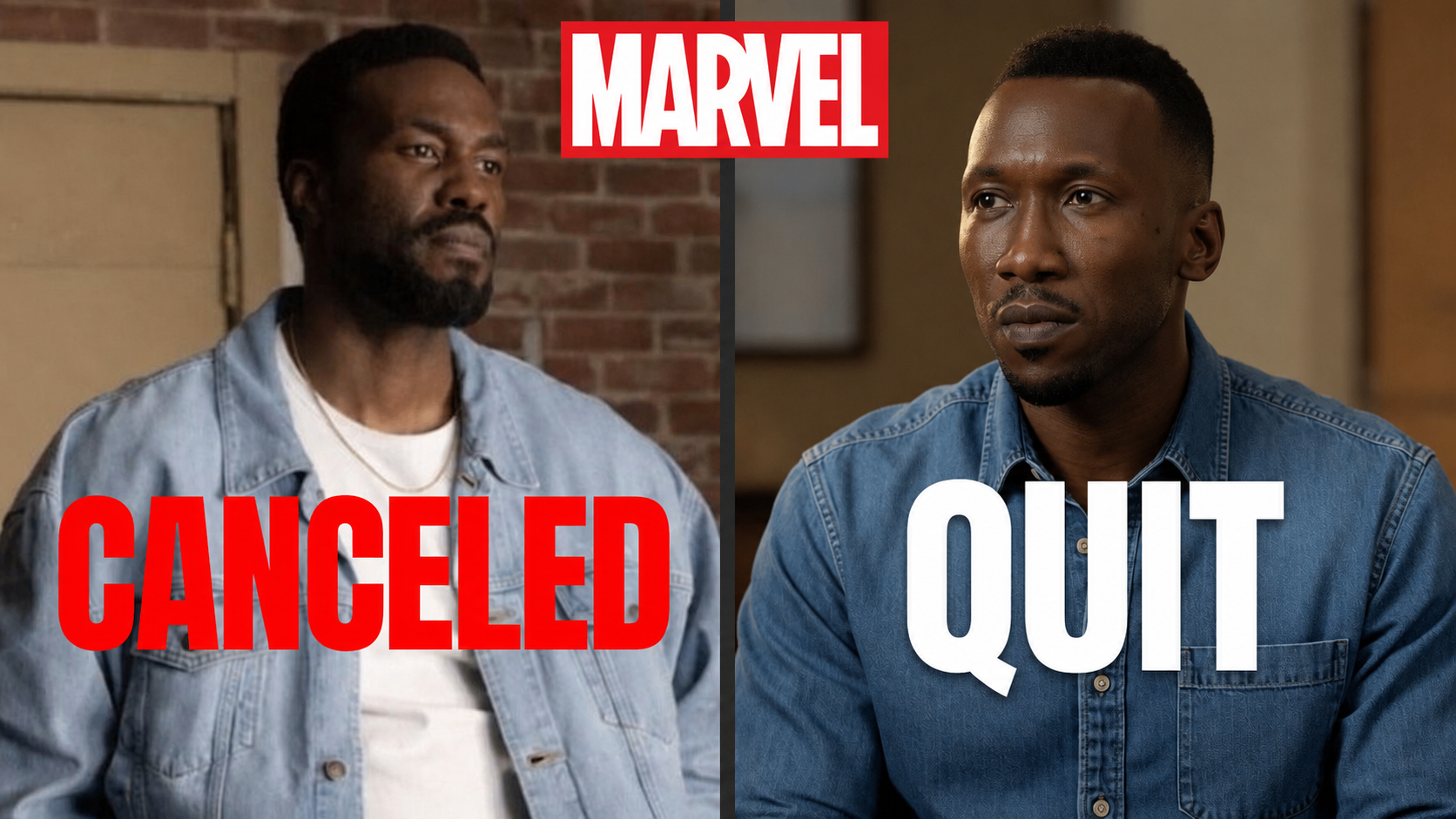
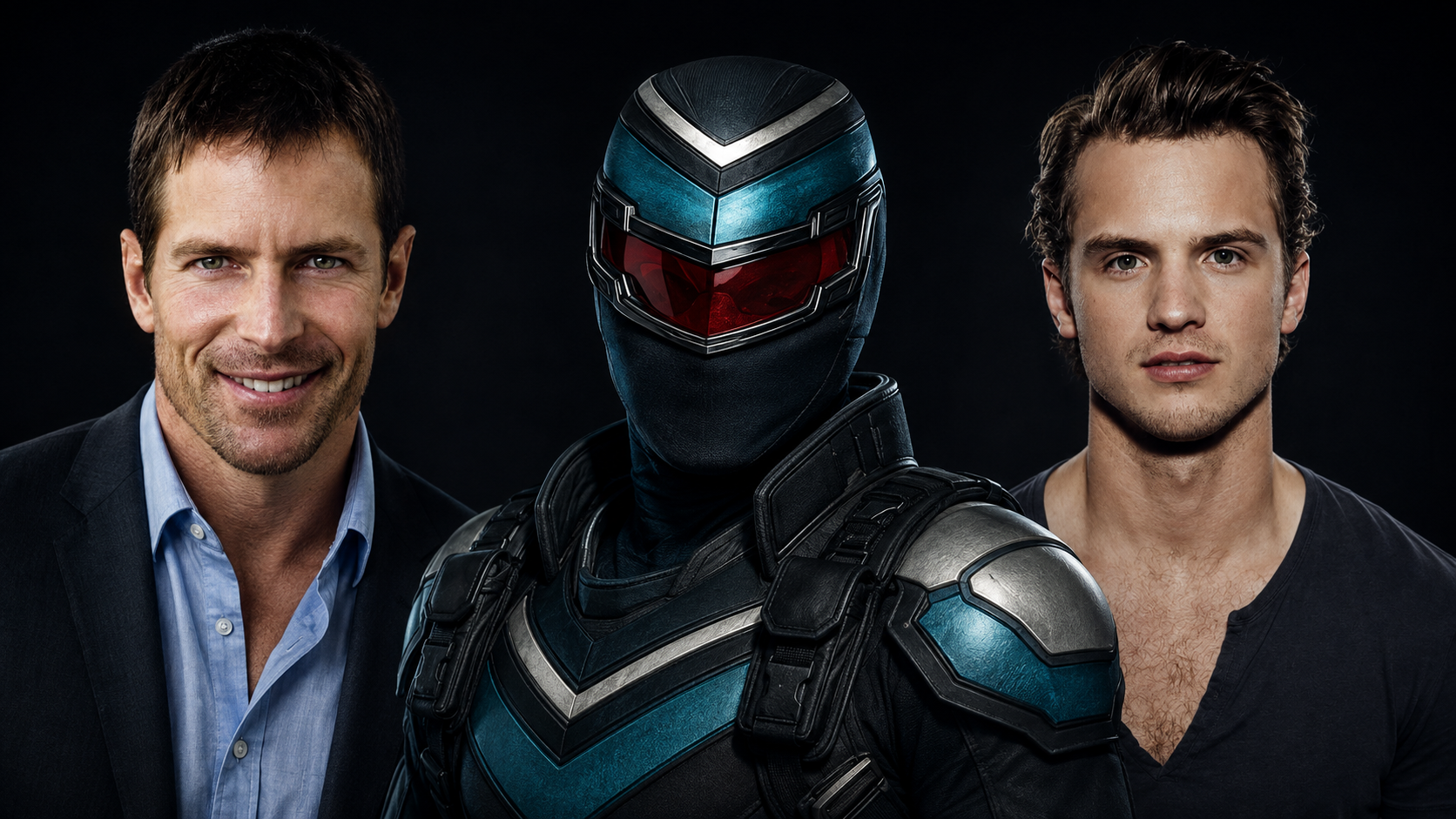
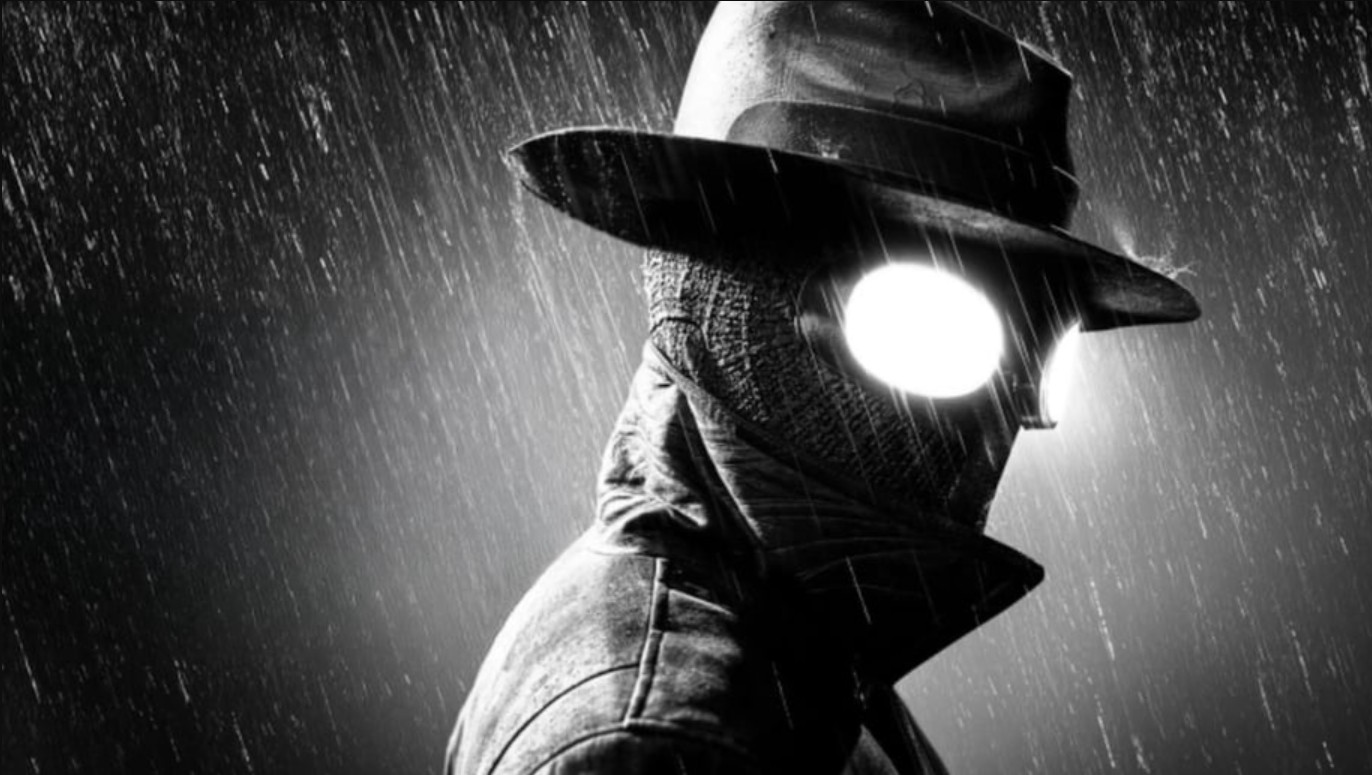
Something is going seriously wrong with television, but for this argument let’s talk about comic-book television. Prime Video just canceled Spider-Noir after one season. Disney+ canceled Wonder Man after one season, after previously announcing that it was coming back for a second. Earlier this year, Prime Video also pulled the plug on Gen V after two seasons, even while The Boys universe continues moving forward without it.
These aren’t three identical situations, and I’m not going to pretend they are. They’re three different shows from different corners of comic-book television, but together they raise the same question: why have studios become so willing to give up on these shows so quickly? At this point, getting a second season feels less like a television renewal and more like surviving the first round of Squid Game.
I’m not saying every superhero series deserves five seasons simply because somebody put on a costume or, like in Smallville, maybe sort of thought about one. Some shows fail. Some aren’t very good. Some just never find enough of an audience to justify continuing, and eventually somebody has to make that decision. What I don’t understand is this growing expectation that a television show needs to arrive fully formed, grab a huge audience immediately and prove its entire reason for existing before viewers have even had much time to decide whether they want to stick with it. That’s not how television became great. Now you get around eight episodes and a performance review.
We Used to Let Television Grow
A first season used to be allowed to be a first season. Writers figured out which characters worked best together, actors grew into their roles, storylines changed direction and shows that weren’t quite there in the beginning had a chance to find their identity. Audiences also had time to find them through reruns, recommendations and word of mouth instead of being expected to immediately consume whatever was dropped in front of them.
Streaming has shortened that window dramatically. A show arrives, a bunch of episodes get dumped into the world, everybody talks about it for a week or two, and then another dozen things are competing for the same audience. Somewhere in that process, a drunk wizard must be determining whether any of those characters will ever be seen again.
Look at Spider-Noir. Nicolas Cage led the series, reviews were strong and the show earned multiple Emmy nominations. None of that, of course, guaranteed another season. Wonder Man had strong reviews of its own, Yahya Abdul-Mateen II earned an Emmy nomination for playing Simon Williams, and Disney went far enough to announce another season before going for its jugular. That’s a pretty impressive turnaround from “See you next season” to “Actually, not so much.”
If television now needs to perform like a major theatrical release almost immediately, then we’ve taken away one of its biggest advantages: time. Television is supposed to build a relationship between its characters and its audience. It isn’t supposed to behave like an opening weekend at the box office where everybody either shows up immediately or the whole thing gets written off as a failure. If that’s the model now, just start putting premiere-night ratings underneath the episode title and get it over with.
Comic Books and Television Should Be a Perfect Match
What makes all of this more frustrating is that comic books are practically designed for television. They’re serialized stories built around characters who return month after month, supporting casts that develop over years, villains who disappear and come back, and storylines that can be huge one month and surprisingly small the next.
Spider-Man can spend one issue fighting somebody who wants to destroy New York and another worrying about how Peter Parker is going to pay his rent. Superman can save the world and still have to walk into the Daily Planet the next morning. Batman can deal with the Joker one week and spend the next story focused on Condiment King, and nobody even knows who that is. Television is built for exactly this too.
A movie gets a couple of hours to establish its world, introduce everybody, build a threat and reach some kind of conclusion. Television gets to spend time with the supporting cast, develop villains across multiple episodes and let a mistake have consequences that aren’t immediately tied to the destruction of the planet. Comic books understand that not every story has to be the biggest one ever told. That’s what the big annual events are for, where everybody gets a new costume, somebody dies for six months and you need a checklist to figure out which issue you’re supposed to read next.
DC has been proving the relationship between comic books and television for decades, which makes its own history particularly strange.
DC Has Already Proven This Works
You don’t have to look very far into DC’s television history before the list starts getting ridiculous: Batman: The Animated Series, Superman: The Animated Series, Batman Beyond, Justice League, Justice League Unlimited, Smallville, Arrow, The Flash, Superman & Lois, Doom Patrol, Peacemaker, Harley Quinn and The Penguin. Obviously, not every DC television series has been great, but that’s an awfully long streak of accidents if we’re supposed to believe television isn’t a natural home for these characters.
Animation might make an even better case. Batman: The Animated Series didn’t need a gigantic interconnected plan, a post-credit scene or somebody walking through a glowing portal to understand Batman. Justice League Unlimited could introduce some character most people outside a comic shop had never heard of and make you care about them before the credits rolled. DC’s animated movies have spent years digging into characters and stories that would probably make a studio executive break out in hives if somebody suggested spending $200 million on a live-action version.
Of course, then you look at DC’s theatrical history and wonder why the consistency has been so much harder to establish. That doesn’t mean DC can’t make great movies. Superman, Batman, The Dark Knight, Wonder Woman, Joker, The Batman, The Suicide Squad and James Gunn’s Superman prove that it can. The problem has been figuring out what comes next without somebody eventually reaching for the giant red reboot button.
Television has traditionally been much better at that. Smallville had ten seasons to turn Clark Kent into Superman while doing everything humanly possible to avoid actually calling him Superman. Arrow took Green Arrow, a character nobody would’ve predicted as the foundation of a giant live-action DC universe, and somehow did exactly that. Peacemaker took a character who could’ve remained a joke and found something underneath him without stripping away the ridiculousness that made him work.
Meanwhile, the movies spent years rebooting, rearranging and announcing new directions while television was quietly sitting in the corner saying, “You know we’ve got this thing down, right?”
We’ve Been Throwing These Shows Away for Years
None of this started with Spider-Noir, Wonder Man or Gen V. Comic-book television has a fairly impressive graveyard, and some projects never even got the chance to become shows.
Marvel’s New Warriors received a straight-to-series order from Freeform in 2017 for ten episodes, with Squirrel Girl among the characters. The series ultimately never made it to air, which means apparently “straight to series” occasionally means “straight into a dumpster.”
Gabriel Luna was supposed to return as Robbie Reyes in a Ghost Rider series for Hulu before that project was scrapped. Marvel’s Most Wanted, built around Bobbi Morse and Lance Hunter from Agents of S.H.I.E.L.D., got all the way through development before ABC passed, while Sony and Amazon spent years working on Silk: Spider Society before that disappeared too. Think about how much money and time gets spent announcing these things, developing them and casting them before somebody suddenly gets a bug up their ass and says, “Nah.”
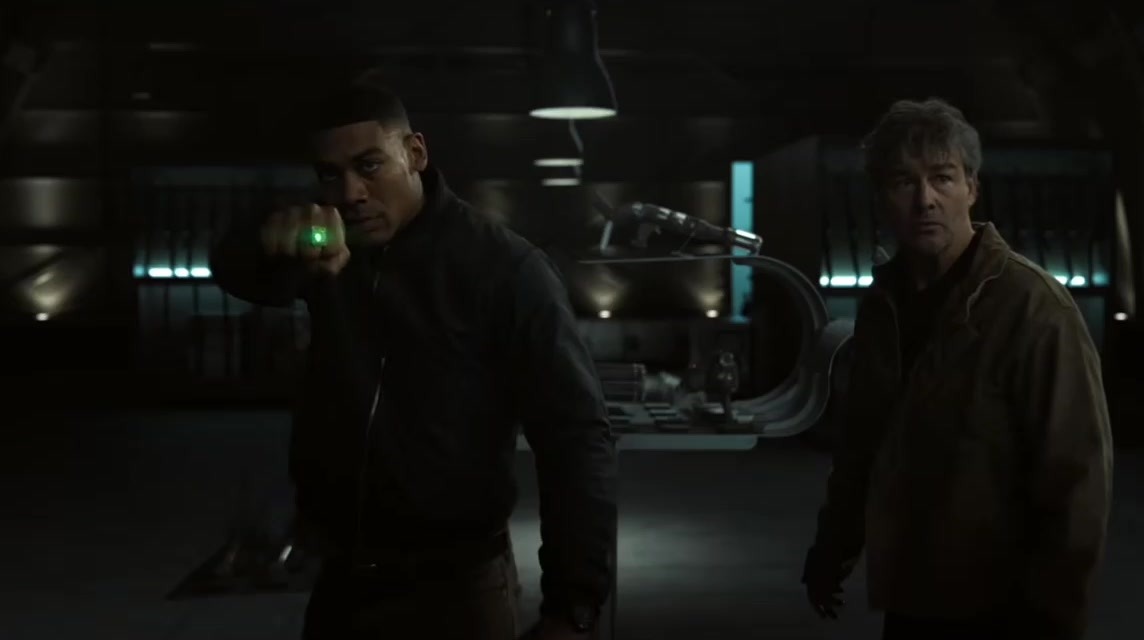
DC certainly isn’t innocent. Swamp Thing barely got through the door before it was canceled, Constantine disappeared after one season and Y: The Last Man was canceled while its first season was still being released. Other DC shows had longer, legitimate runs, so I’m not throwing every canceled comic series into the same pile. What I am saying is that the industry has become incredibly comfortable selling fans on some grand television plan and then abandoning it as soon as somebody draws a different grand plan on another whiteboard.
Marvel Helped Create the Problem
Marvel deserves some responsibility for how we got here too. For a while, following the MCU started to feel less like enjoying movies and television and more like keeping up with assigned reading. There were Disney+ series, specials, crossovers and storylines moving between formats, with the increasing suggestion that you probably needed to watch everything if you wanted to completely understand whatever was coming next.
Miss one series and suddenly somebody you don’t recognize is standing in a movie talking about an event you know nothing about. There was simply too much of it, and when every new project is presented as essential viewing, eventually none of it feels particularly essential. You can’t turn every Wednesday into Christmas morning and then act shocked when people stop running to the living room.
Marvel and Disney helped oversaturate their own market, but now the correction feels like it has gone too far in the opposite direction. Make fewer shows if that’s what the market needs. Spend less money when the story doesn’t require a feature-film budget. Let smaller characters have smaller stories instead of trying to make every finale another universe-changing event with a giant beam shooting into the sky. Then, once you decide a show is actually worth making, give the damn thing an opportunity to become something.
Streaming Has Destroyed the Grace Period
Networks have been killing shows early forever, so I’m not pretending streaming invented cancellation. What streaming changed is how people find television. There is more available to watch now than anyone could realistically keep up with, and those giant streaming queues have basically become digital versions of that pile of books beside the bed we’re all definitely getting to someday.
People discover shows late. Somebody recommends one, a clip starts circulating, an actor becomes popular somewhere else or you finally have a free weekend and start something you’ve been hearing about for months. The problem is that by the time some of those viewers arrive, the show might already be dead, buried and halfway through being removed from the service that made it.
That creates a wonderfully stupid cycle. Viewers become reluctant to start new shows because they don’t trust the streamer to finish them, so some people wait for a renewal before investing their time. Those viewers don’t show up in the early numbers, the studio decides the audience isn’t there and cancels the show. Then everybody scratches their heads wondering why people are even more reluctant to start the next one. Convince people not to trust you, watch them behave like they don’t trust you, and then use that lack of trust as evidence that the show wasn’t working. Brilliant.
Give Comic Book Television a Chance to Be Television
I don’t think every comic-book show deserves to survive, and no amount of patience is going to turn every bad series into a good one. Television still has to make financial sense. What needs to change is this idea that everything has to prove itself almost immediately or be tossed onto the pile.
Comic books have survived for generations because they’re allowed to keep telling stories. Characters change, creative teams change, bad storylines end and better ones replace them. Sometimes they kill a character, swear this time it’s permanent, and we all politely pretend to believe them until the inevitable resurrection. Television has that same ability when somebody actually lets it use it.
DC’s television and animation history has already shown what happens when these characters get room to breathe. You get versions of Batman and Superman people still love decades later. You get Smallville, an Arrowverse nobody could’ve predicted when Arrow premiered, and something like Peacemaker finding depth in a character most people probably never expected to carry his own show.
The studios don’t need anybody to prove comic-book characters can thrive on television because they’ve spent decades proving it themselves. Maybe instead of constantly announcing the next grand plan, they could remember what made all those older ones work long enough to give the next show a fighting chance.