Reviews & Rants · Movie Review
Motor City Barely Says a Word and Kicks Ass Anyway
By Peter David · July 20, 2026 · Cobra Kai Never Lies
Alan Ritchson leads a brutal, gritty revenge movie that plays like a lost piece of 1970s exploitation cinema, powered by brilliant music, immersive sound and a cast that doesn’t need dialogue to tell you exactly what they’re thinking.
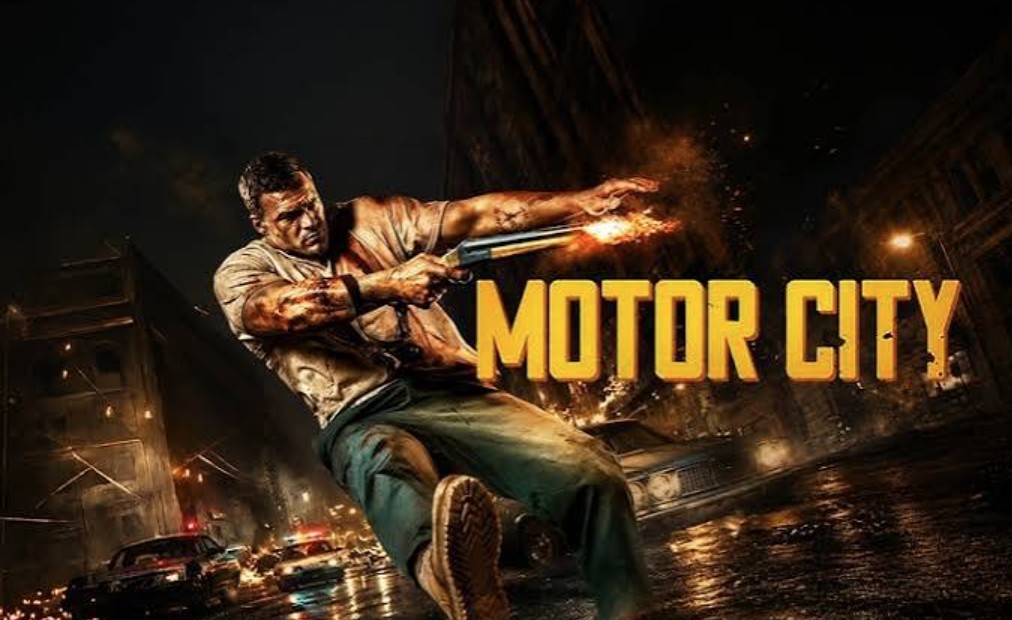
I just walked out of Motor City, and this movie kicks seven kinds of ass.
Director Potsy Ponciroli has made a gritty, bloody and completely committed throwback to 1970s exploitation cinema. Speaking-wise, it’s almost a silent movie. People talk, but barely, usually softly and never to explain something the movie has already shown us.
That could’ve been a gimmick. Instead, it becomes the one of the main reasons Motor City works.
There’s absolutely no wasted fat on this movie. Every scene, look, movement and sound has to push something forward because the movie can’t rely on ten minutes of dialogue to explain what everybody wants. If one scene fails to communicate its purpose, the entire premise could fall apart.
Thankfully, it never does.
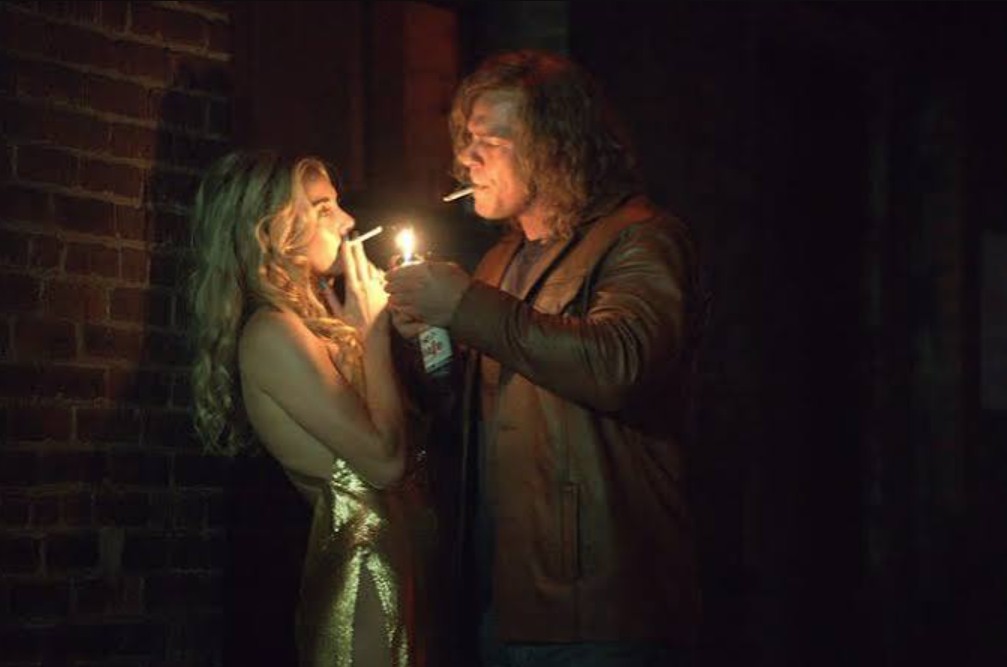
You might not immediately know every character’s name, but their motivations are always clear as day. You know what they want, who they love, who they hate and exactly how far they’re willing to go. Motor City understands that withholding dialogue doesn’t mean withholding information.
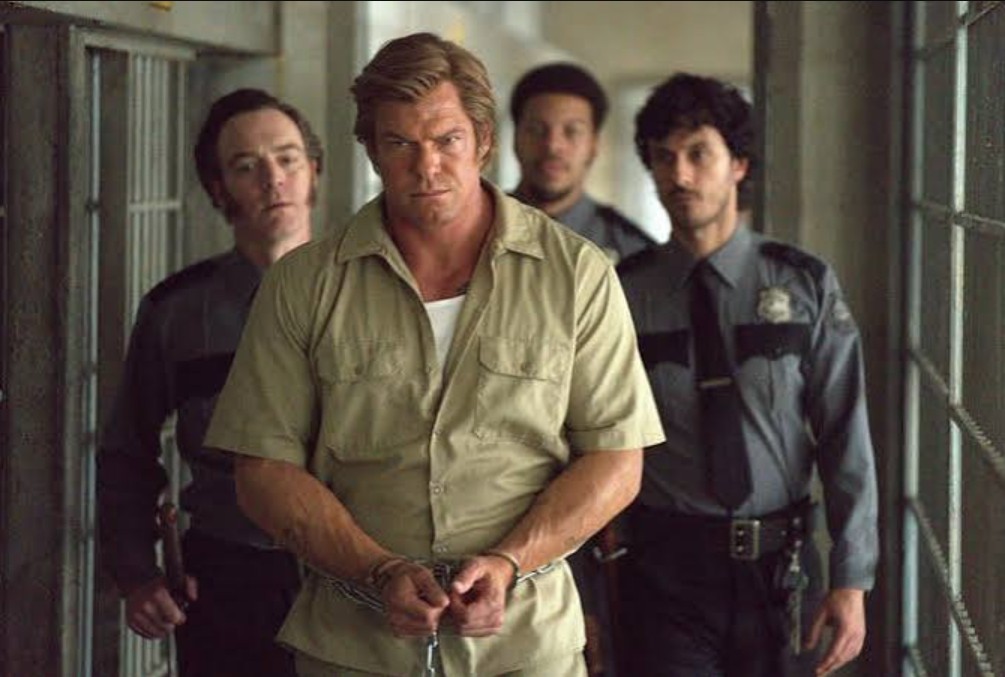
The story follows John Miller, played by Alan Ritchson, a working-class guy trying to finally do something right with his life after prison and parole. He falls in love with Sophia, played by Shailene Woodley, but their future is destroyed when Miller is framed for drug trafficking by Reynolds and the corrupt Lieutenant Savick.
Reynolds, played by Ben Foster, is a powerful Detroit gangster and Sophia’s former lover. Savick, played by Pablo Schreiber, is the cop willing to help Reynolds bury Miller. Once Miller’s life has been taken from him, the movie becomes a revenge story with absolutely no interest in taking the scenic route.

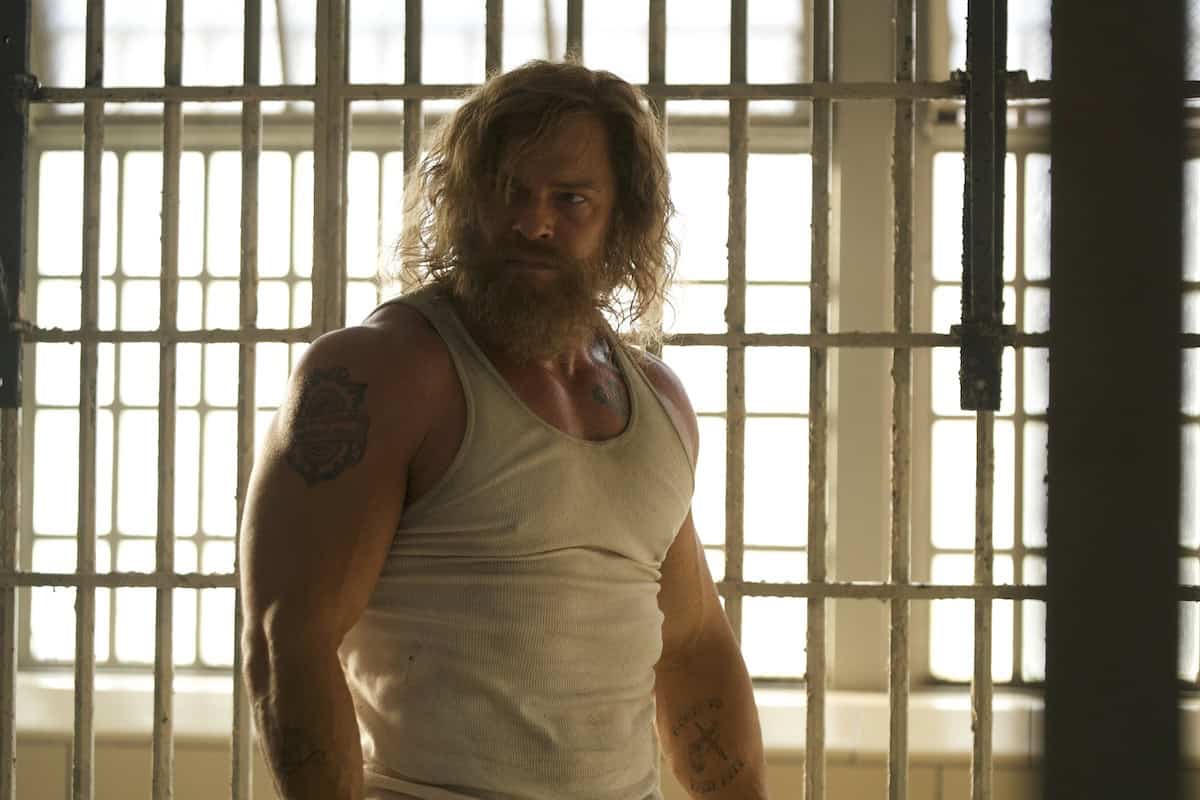
Ritchson is perfectly built for this kind of role, and I don’t just mean because he looks like he could throw a Buick through a liquor-store window. Miller isn’t presented as a natural-born killer itching for an excuse. He genuinely wants to put his past behind him and build a life with Sophia.
That makes everything that happens to him hurt more.
Ritchson has to carry huge sections of the movie through physical performance alone, and he does it. Anger, pain, confusion and determination all come through without speeches or dramatic monologues. He doesn’t need to tell you Miller is coming apart because you can see it happening.
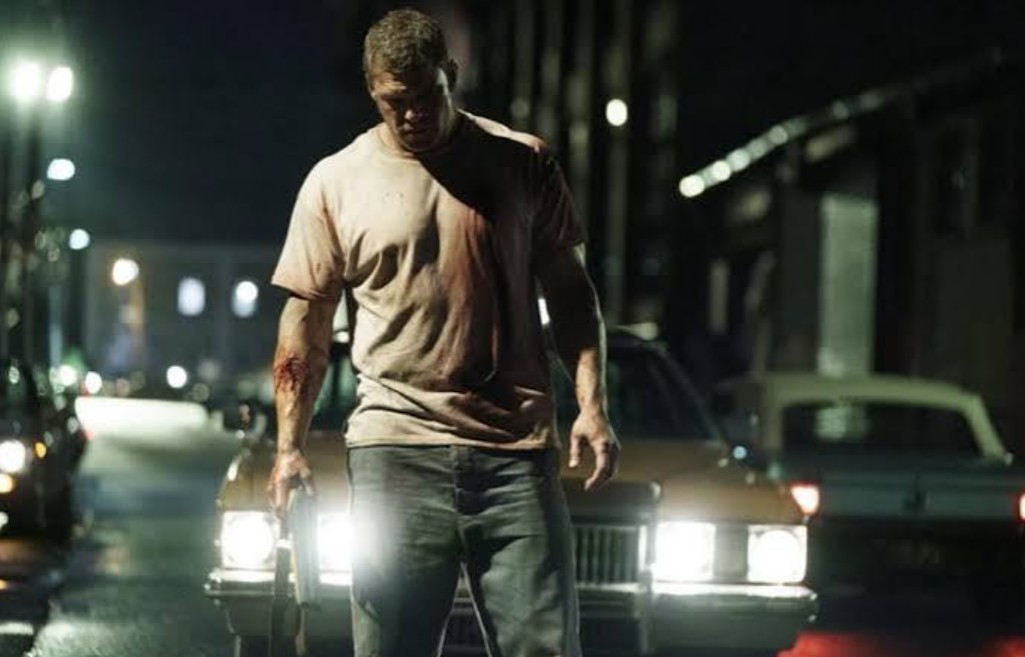
Shailene Woodley is equally important because Sophia could’ve easily become the standard woman caught between two dangerous men. I don’t believe she’s some manipulative femme fatale playing both sides. She’s a woman who loses the man she loves and has nowhere left to go.
Reynolds is familiar. Familiarity steps back in, good judgment steps right out, and Sophia makes choices that are sad and understandable and, most of all, painfully human.
Then there’s Ben Foster, who remains one of the best actors alive when you need somebody to look completely sleazy without turning into a cartoon. Reynolds is jealous, possessive, dangerous and absolutely convinced Sophia still belongs to him no matter who she’s with. Foster doesn’t need much dialogue to make the character disgusting. One look got the job done.
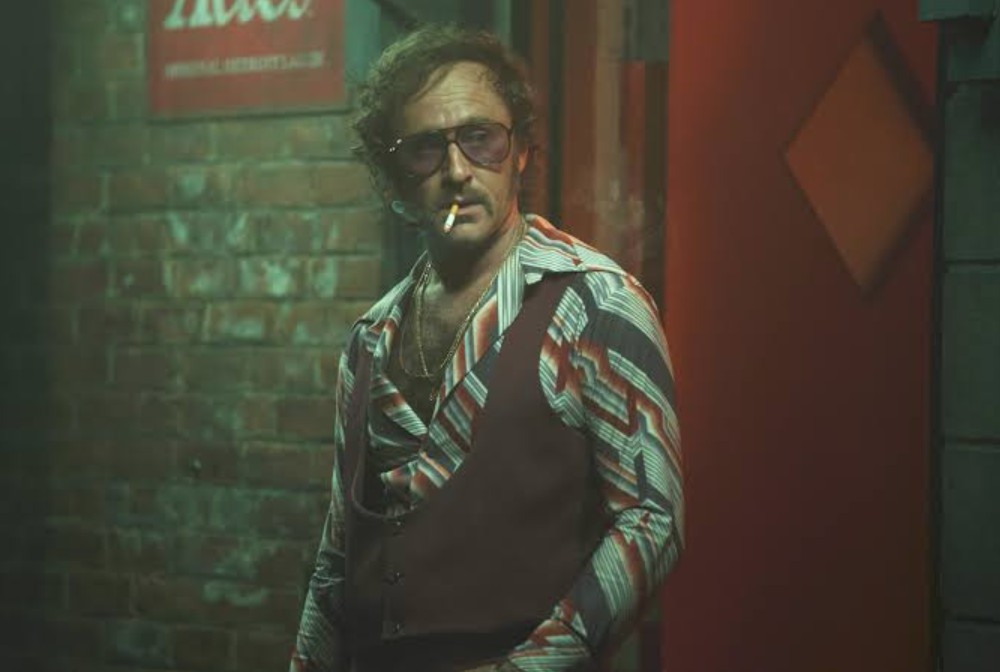
Pablo Schreiber brings the same kind of presence to Savick. He plays the corrupt lawman who helps Reynolds destroy Miller and gives the criminal operation the protection it needs. Schreiber thankfully has the physical presence to stand beside Ritchson without disappearing, which isn’t an easy assignment.
Ben McKenzie plays Detective Kent and stops by to try out his silent, aging Jim Gordon routine. He does a good job with the role, but unlike the actors surrounding him, he never really gets the chance to set the screen on fire.
That’s not a failure on McKenzie’s part. The movie simply doesn’t hand him the same material it gives Ritchson, Foster, Woodley and Schreiber.
The movie’s other major star is the soundtrack.
Jack White, a Detroit native, serves as Motor City’s musical director and an executive producer, while Steve Jablonsky composed the original score. White also makes a perfectly understated cameo as a piano player quietly performing Christmas music in a bar.
There’s no giant introduction and no pause so the audience can clap because Jack White showed up. He’s just there, playing the piano and belonging completely in the world of the movie. Catch him if you can.
Between the music and the sound design, you can sit back and let the movie take you for a ride. The soundtrack doesn’t merely fill the space left by the missing dialogue. It becomes dialogue. It establishes the rhythm, carries the emotion and pushes the story forward.
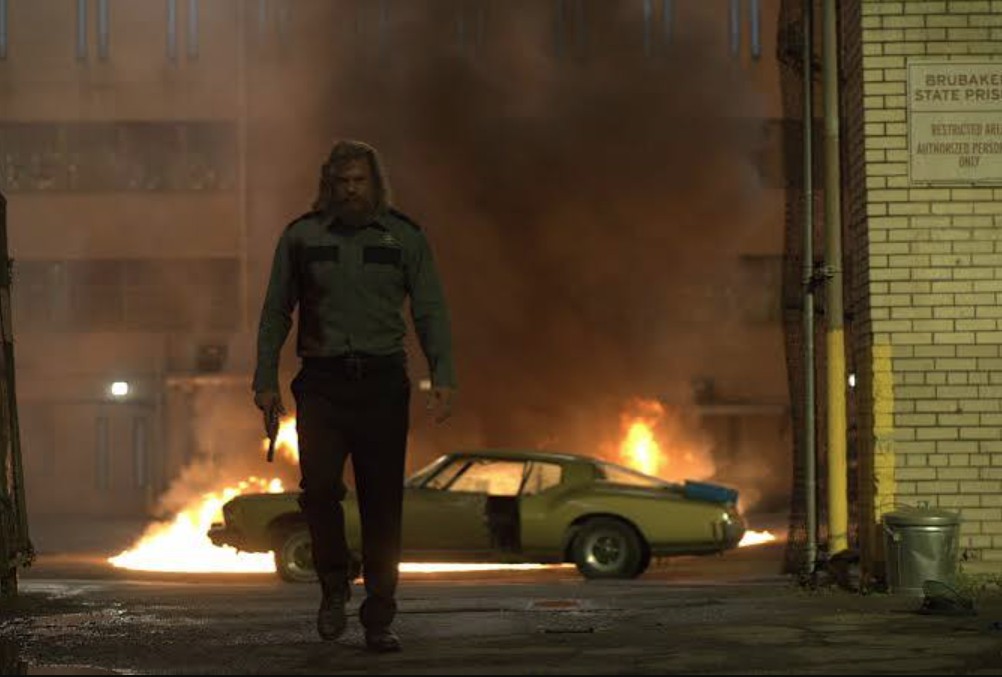
Motor City feels like an opera, an action movie and a dirty 1970s music video were thrown into a trunk together and driven across the city at 100 miles per hour.
This isn’t a movie that quietly experiments with a clever idea and then retreats into something safer. It commits to the premise from beginning to end. Everything is visual. Everything is rhythmic. Everything matters.
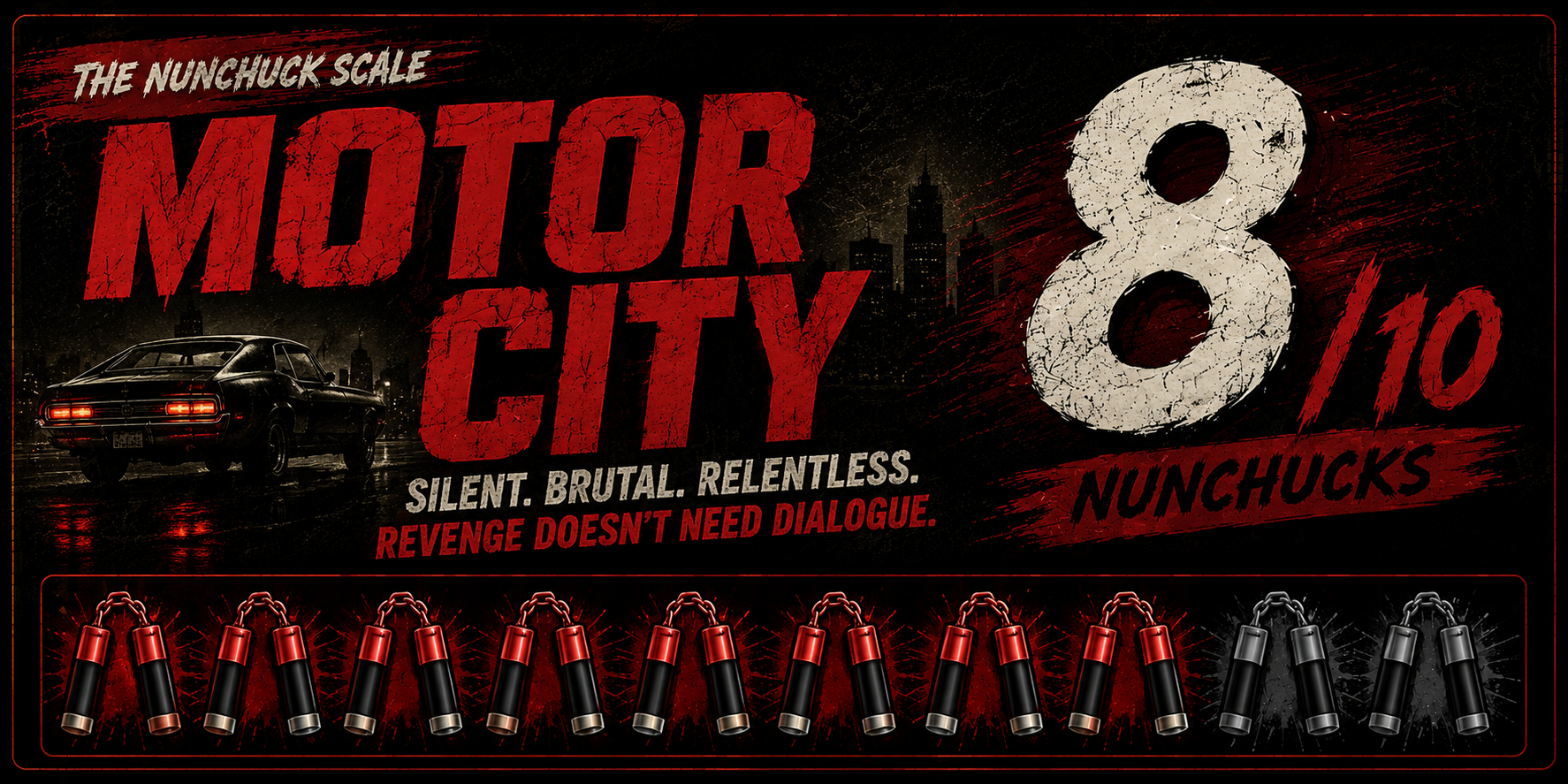
At 103 minutes, Motor City moves fast, hits hard and gets the hell out before it wears out its welcome. It opens in theaters July 24.
It barely said a word and never had to.